Labels

Friday, 25 November 2011

What are the conventions of a thriller opening sequence?

Wordle: conventions
  • Titles: The titles tend to fit in with the mood that is being built and connects with the sound the majority of the time to create an eerie, chilling atmosphere

  • Camera shots, angles, movement help to reveal key elements to the audience for them to identify and the framing and positioning of the shots can build up suspense and mystery. The camera can alse communicate certain things such as a dutch angle (tilt) can suggest confusion.

  • Editing: Editing is key in thiller opening sequences because they can reveal and illustrate a lot about the story itself. For instance, fast paced shots can build up tension and panic where as slow shots can add more mysterious and eerie elements to the scene.

  • Sound: In thriller openings we tend to hear quite eerie and uneasy music that suggests and builds tension and suspense. The use of this sometimes can go with the Mise En Scene, lighting and the speed of the shots. The atmosphere can be cleverly pieced together just by the use of music on its own.

  • Mise En Scene: This can show the audience who, what, when, where, why and how whatever is being shown happened. Despite this, we will never be shown to much that it will give away the story line, the film needs to be able to hook and grab the audience's attention so they can then watch on. Also, the lighting and colours used can connect with some of the other conventions such as sound. We generally see low key lighting and a lot of cold blues and dark mysterious colours in order to build up the opening sequence effectively.

Thursday, 24 November 2011

Analysis of 2nd genre opening sequence (Unknown)


The film starts by introducing the audience the logo's of the companys that produced and worked on the film. We then see the camera pan left across clouds. At first we don't know that it has any relevance and soft, piano music starts playing creating a calm, tranquil mood. Then as the shot progresses we are revealed that we are inside an airplane as the camera tracks out making the audience feel as though they are literally on the plane. As the camera continues to track out we are slowly revealed to a male character asking "Who is he?" and "Where is he going on the plane?" We are then shown the main characters name of which we can link to the man that is in the close up. The camera cuts to a shot of him writing in his notebook then back to a mid shot of him and darkness around him making us think he's on his own. Then the camera cuts to a long shot that reveals that his is with a femal character. Who is she? What is their relatiobship? Do they know one another? The scene then comes to life as the lighting becomes brighter revealing more of the appearance of the characters.

As the scene progresses we are revealed more of the actors and actresses names that were involved in the film.

When the two characters go through passport control we see a close up of the males passport revealing information about who he is. The woman behind the desk says "Mr and Mrs Harris, welcome to Berlin." As she say's this questions are confirmed of what their relationship is and where they are. The camera then cuts to a big close up of him putting his passport into his briefcase, this gives it some importance and makes the audience identify that it could possibly be a key prop.

As the two characters get out of the airport we can then shown the time of year as it is snowing so it suggests that it is winter. The title of the film then appears and first we see the word "known" and then the "un" fades in after which then obviously makes up the name "Unknown". This adds mystery to the atmosphere as we just see this as being maybe a romance type film not a thriller but the atmosphere created by just this happening starts to put the audience on edge. This make the audience go into deep thought about why the "known" appeared first. When we get the mid shot of the car door closing and it driving away the camera tilts down to reveal that he left the briefcase behind. This reinforces the importance of it and makes us feel, once again, part of the piece.

The music then turns dramatic, dark and serious as we see extreme long shots of the locations setting the scene more as well as close ups of the couple in the car. In one shot the camera is focused on the males face which at first seems concerned and then the camera pulls focus to the woman, following what he is looking at, revealing her reaction and facial expression. The characters then have a conversation which lets the audience learn more about the two as a couple, their past. The shot, reverse shots that are used help to show eachothers reactions and expressions. The camera then reveals more extreme long shots of the car travelling and at the same time showing the job titles of whom were involved in the film.

The last shot we see is of the woman. The use of this mid close up of her creates a sense of uncertainty amongst the audience as she seems to be a different person when she is away from her husband, one of which doesn't seem right. This adds to the slight tension created and puts the audience on edge a little making them want to watch on to reveal what actually happens.

Analysis of 1st genre opening sequence (Black Swan)

Monday, 21 November 2011

What titles are there in an opening sequence?

These are the two company's that are the distributors of the film. The distributors jobs are to obviously distribute it to the public and sell it on to the audience etc.
These are found
 right at the start of films so they are advertised. We see the production company that helped produce and fund the movie and then the picture company that helped edit it together.

Then we are shown some of the names of the actors and actresses that are involved in the film. We commonly tend to find that their names appear in order of appearance or importance. In this case Jodie Foster is the main actress. 


After we are shown the most important actors and actresses we are revealed to the actual title of the film. We know this is the title due to its serif styles font, creating a statement and standing out more.


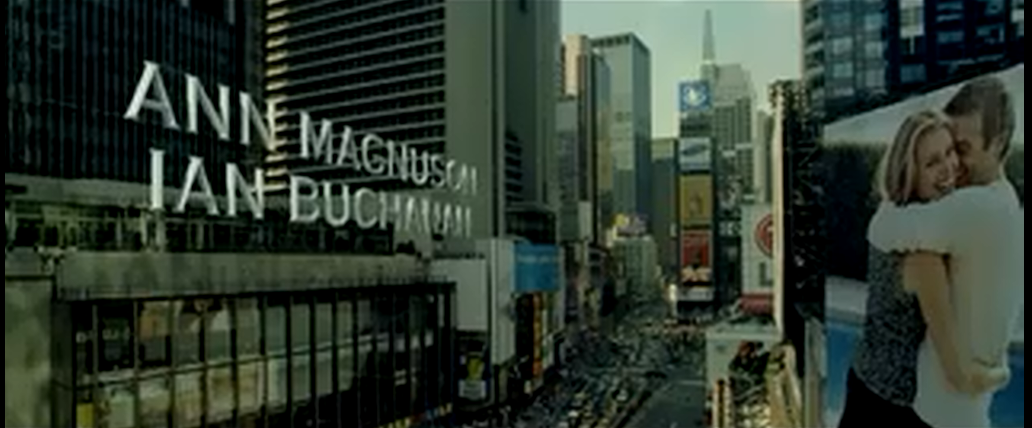
 After the title of the film is revealed we are then introduced to more of the actors and actresses that worked on the film. The purpose of the two names in one shot could mean that they are possibly in a scene together or have a key connection in some way.


We then see the people who were directly involved in making the film start to be introduced from the least important to the most, the opposite to the actors and actresses. The job of the casting person is to specificaly cast actors and actresses for certain roles, auditioning and contacting their manager to organise specific things.

The role of the costume designer is to simply design and produce the costumes for the actors and actresses to wear as their specific characters.
The role of the person in charge of the music is to choose a specific soundtrack that fits in with the film. Choosing music that would help to build up a certain atmosphere to create an equal outcome on the audience watching.

The role of the film editors are to simply piece together the collection of filmed scenes, using specific and intentional transitions etc, in order to create a specific effect on the audience such as fast cuts to add tension and panic to the piece.

The job of the production designer is to choose and locate locations and set for the scenes to take place in to continue the realism of the scenes.

The use of the director of photography are the people who set up the cameras; where they go, if they look right, is the specific shot and angle right etc. This is to make sure that maximum continuity is continued throughout.

The producers are rarely seen directly on set as these are the people who sometimes fund the production of the film and aren't really involved in the production side but mostly the buisness side.

The writer is obviously the person who wrote the piece. That fact that it states "written by" and not "screenplay by" tells the audience that this is a piece of original work. It's not a recreation, it's his.

The director is seen to be the most important person of whom is involved in the making of the film as they are the person who tell the actors where they need to be positioned so the piece is at a high standard and has clear continuity, points out changes that need to be made, looking over and confirming the cinematography and bringing the script to life.


Here is another example of a Title sequence: 

What are the conventions of a title sequence?


Friday, 11 November 2011

Monday, 31 October 2011

Memento (Nolan, 2000, US) Analysis


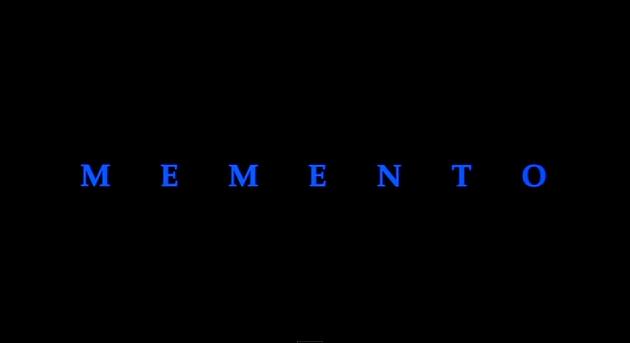
In this first shot we are introduced to the title of the film "Memento". Whilst this is being shown we hear slow, depressive and a moving piece of music being played. This sets up a concerned atmosphere as the audience are wanting to see why such a deep piece is being played.


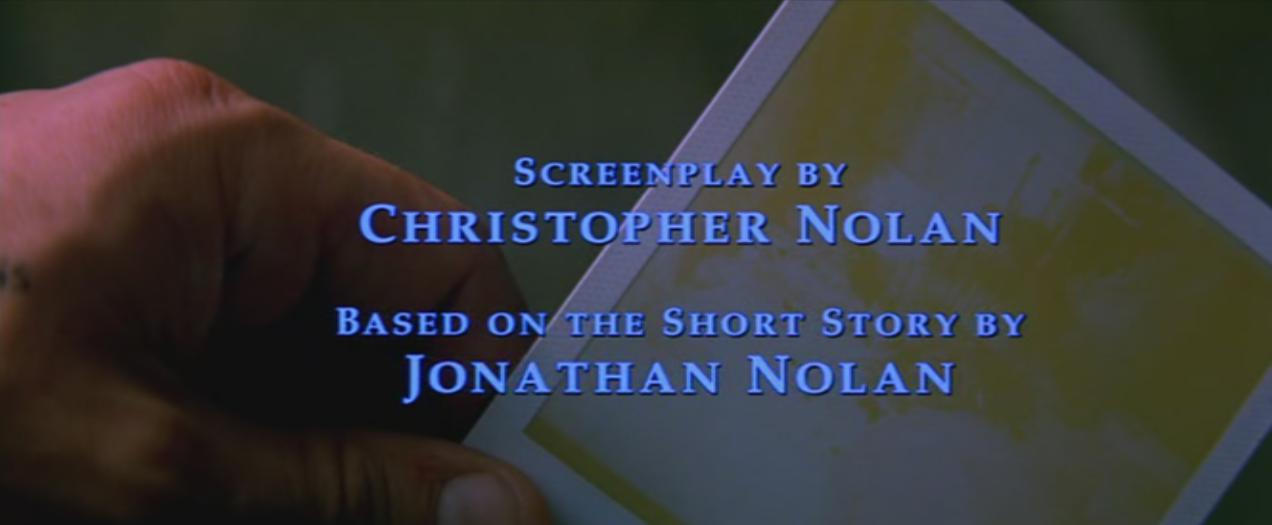
In the next shot we see an image fade in where we just see a hand holding a very worrying picture of what the audience can make out as being a dead person due to the large amount of blood surrounding the body. The effect of only being able to see the hand makes the audience ask: "Who is the person holding this photo?","Who's in the photo?" and "Why and when was the photo taken?"


In these four images they are the same shot but as you can see through the progression of the images the photo disappears clearly illustrating that we're going back in time, stating that it is possible a non-linear narrative.The slow music continues to be played and the titles appearing show whom was involved in making the film.


In this extreme close up we still aren't revealed to the characters identity, still making the audience wonder 
whom this person actually is. But due to this shot we can make out its a male due to the hands and the 
clothes that are being worn by the character. We can see a wedding ring on the finger so it makes us question "Is he married?"


After the previous shot the camera pans left and titles up to show this image. This big close up lets us see more of the characters identity but it is still partly hidden due to the camera positioned in front continuing the mysterious atmosphere. This image makes the audience ask why are they taking a photo. The music starts to go quite and an eerie sound starts to play, effectively building up the atmosphere as we are starting to be shown what is going on.

In this shot we are finally revealed to the characters identity, we're confirmed that the person is a male by the big close up. When looking at the man's face only half of it is light illustrating that he could potentially be hiding something and on the other half we see scratches and blood on his cheek, making us question where they came from.


This extreme close up is off dripping blood being reversed to carry on the going back in time. The use of the blood lets the audience ponder about why it is there and who's blood it is, creating and adding to the serious and mysterious atmosphere.


This extreme close up is of a shell of a bullet. When was this bullet used? Why was it used? Who shot the bullet? These will be frequent questions asked by the audience when watching this. We are now slowly being revealed clue by clue of what we could you use to set the scene in our imagination which is cleverly done by the director.


In this close up we see a pair of glasses covered in blood. This makes the audience start to ask more questions like who's glasses are these? The glasses are positioned more to the left so that we can also see the blood splattered on the wall next to them. By the amount of blood that we have been shown we can start to picture just what may have happened.


In this big close up of the back of a head of someone we are introduced to a second character in which we can clearly identify as being the person whom was shot due to the large amount of blood that surrounds him. The audience tries to connect the two people together by thinking about how they know each other and what has happened to him. The one connection we can make is that this is the person who was in the photo at the start.


In this low angled mid shot we are revealed that this character is more dominant and has more power due to the face that he is standing up and staring at the body. This makes the audience think whether he shot the man on the floor or not. Also in the shot we are given an insight into where they are as you can see a covered window suggesting maybe they're in an abandoned warehouse or somewhere similar.

After this we then see a gun fly into the males hand still representing going back in time. The camera follows the man as he crouches and goes into a mid close up shot pushing the audience to believe that this person is the murderer and criminal continuing the serious and tense atmosphere.


In these next two shots we see extreme close ups of the shell roll backwards and the glasses raise up out of the frame. The sound of the bullet rolling across the floor goes with the sound of the glasses picking up link with the quick shot as it give you exactly what you need to be shown and heard to build up to a quick climax.

In this quick shot we return back to the previous shot of the dead man but this time with the gun in the frame. This confirms that the other man shot this dead person but we still don't know why. Hyperbolic sounds are used to the building of the climax.


In this very quick shot of the bullet shell reversing back into the gun we can get the sense that it is coming to its climax as the pace has greatly increased over the shots. The bullet is framed right in the middle of the frame so the audience's attention is on the bullet only.


Once again we return back to the mid close up of the male that shows him pulling the trigger and firing the gun. We can really see his facial expressions as the gun is fired. We can see more of the surroundings that is around the male, really reinforcing that this is somewhere that no one goes. The audience still want to know the answer of why he has killed the man.


This last shot is over the shoulder and reveals to the audience the appearance of the dead male. We see the rewind of what happened and the male on the floor shout but we can't make out what exactly it is that he is saying, this really helps to communicate that this is the climax. After this it cuts to a plain black screen which allows the audience to really reflect on the opening and also want to watch on to see how and why this ended up happening.

Brick (Johnson,2005,US) Analysis


Wednesday, 26 October 2011

Trailer Vs. Title Sequence.


Title/Opening Sequence:

Project Brief


"The main task is to create the titles and opening of a new fiction film that must last minimum of two minutes. All the audio and visual material used has to be original and our own. The music and audio affects used has to come from a copyright free source. There has to be a maximum of 4 people in a group and I’ll be working with Bronte and Jessica."

Monday, 3 October 2011